Choosing a first aid course is not nearly ticking a conformity box. It is about deciding exactly how well you want to have the ability to act when something goes terribly wrong in front of you. The choice between a standard first aid course and an express first aid course influences just how confident you really feel in an actual emergency situation and exactly how simple it is to keep your certification as much as date.
I have shown first aid and CPR courses for a variety of teams, from child care staff and tradies to business teams who would rather be anywhere else than in a training area. The very same question shows up over and over once again:
"Can we do the fast first aid course instead of the full one?"
The truthful solution is, it depends. The fast option works very well for some people and never for others. The rest of this post is about understanding that trade off so you choose the style that fits your abilities, your legal demands, and your life.
What "typical" and "express" truly mean
Different service providers use various names: common, complete, level 2, thorough, express, fast, refresher, or mixed. Beneath the advertising, they are generally discussing the exact same few variables.
A standard first aid course (sometimes called Give First Aid or equal) normally:
- Runs for a full day, often 6 to 8 contact hours Includes a lot more led method on scenarios and equipment Builds in time for questions, discussion, and repetition
An express first aid course or fast first aid training generally:
- Is much shorter, generally 3 to 5 hours, occasionally less for refresher formats Relies on pre-course online concept or thought knowledge Moves more quickly via useful abilities with much less downtime
The exact same pattern appears in CPR training as well. You will certainly see alternatives like standard CPR courses, express cpr course, fast cpr courses, or a fast cpr correspondence course. Content overlaps greatly, but the speed and deepness differ.
The essential point is this: duration is only half the tale. You need to consider what is shown, exactly how it is taught, and what experience level it assumes.
What a solid first aid and CPR course should actually cover
Whether you pick a typical or express first aid course, the necessary material ought to be fairly similar. If a service provider is reducing core topics to save time, that is a red flag.
In a great first aid and CPR training program, you can anticipate protection of:
Basic life support and CPR
Every reputable first aid and CPR course will show you just how to identify heart attack, telephone call for help, begin compressions, and utilize an AED. For grown-up CPR, this typically implies 30 compressions for 2 breaths, at a price of about 100 to 120 compressions per min. Criterion courses often tend to enable more time to exercise deepness, rhythm, and hand setting up until it really feels natural.Breathing and air passage emergencies
This consists of choking, bronchial asthma, anaphylaxis, and situations where a person is not taking a breath normally. In better courses, you must literally practice making use of an adrenaline auto injector, putting someone in the healing setting, and managing a throwing up or confiscating person so they can breathe.Bleeding, injuries, and shock
You need to learn how to regulate extreme bleeding with straight stress and bandaging, recognise shock, and support the individual till aid shows up. Express first aid courses might cover these subjects with shorter situations, while common first aid training might give you more time to re-bandage, resolve various injuries, and obtain muscle mass memory.Medical conditions and typical emergencies
Cardiovascular disease, stroke, diabetes concerns, seizures, fainting, heat exhaustion, and hypothermia are all common products in a comprehensive first aid course. A great instructor uses actual examples and assists you prioritise: what you should bear in mind, what is ideal however not necessary, and when to call for aid instead of playing detective.Injuries to bones, joints, and head
Sprains, presumed cracks, spine worries, and head injuries ought to all function, specifically for work environments with physical threats. The difference between conventional and express formats is usually not whether they appear, but how many situations you reach work through and just how much time you have to ask "what if" questions.Legal and practical basics
Responsibility of treatment, consent, infection control, and exactly how to connect with paramedics matter equally as high as bandaging strategy. Lots of express first aid training layouts shift this web content into pre course analysis or e-learning. A typical course Take a look at the site here commonly utilizes brief discussions or instance studies.If you are picking in between suppliers or styles, request for the in-depth course outline. The words "first aid and cpr course" can indicate very various points in technique. You wish to see clear coverage of CPR, breathing emergencies, major blood loss, subconscious people, and at least the most common medical conditions.
How time and format change the finding out experience
I frequently see people focus just on "How much time will I be in the classroom?" and neglect what they shed when they shave hours off a course. The impact turns up in 3 major means: concept, practice, and assessment.
Theory and knowledge
Criterion first aid courses generally mix brief theory blocks with demonstrations and practice. Learners that fight with reading or on-line systems usually like this since they can ask concerns on the spot.Fast Great post to read first aid courses and express cpr courses tend to relocate concept into an online component finished prior to class. This works well if you are comfortable studying from a display and can remain focused on your own. It is less effective if you are the type of person that means to do the pre-work, after that ends up packing late at night or missing sections.
Practical skills and muscle memory
Great first aid and CPR training is physical. You require to stoop, press, roll, lift, bandage, and improvise with what you have. That takes rep.In a conventional course, the instructor has even more time to revolve people through circumstances, correct your hand placement, and role play a few various emergency situations. I have actually seen reluctant learners become truly positive by the afternoon simply since they have had the very same essential actions repeated in a little various contexts.
In an express first aid course, that practice home window is shorter. If everyone in the area is already experienced, this can be sufficient. If half the group has actually not touched a CPR manikin in years, you begin to see hurried method and much less possibility for private feedback.
Assessment and certification
Whether you pick fast first aid courses or the longer alternative, the assessment should fulfill the very same standard if you want an acknowledged first aid certificate. The difference is just how hurried or unwinded that process feels.A shorter course usually means assessments are jam-packed snugly into the schedule. Requirement formats allow more time to duplicate an ability if you struggle or to review a circumstance you located perplexing. If you are anxious regarding exams or dry runs, that extra breathing room matters.
Who fits a conventional first aid course best
From what I see in class, specific groups usually gain from the complete size option.
People who are really new to very first aid
If you have never done first aid training in the past, go with a basic course. You will get direct exposure to even more situations and hear even more questions from others, which commonly highlight things you had actually not thought to ask.Hands-on or higher threat workplaces
Building, production, warehousing, healthcare, social work, and friendliness all vomit unpleasant, real life emergency situations. Employees in these markets usually need more situation practice: bleeding from machinery, crush injuries, burns, intoxicated or aggressive individuals, multiple casualties. A typical first aid and cpr course allows the fitness instructor tailor examples to those realities.Those who lack confidence or really feel nervous
I can normally inform in the very first hour that exists since the one in charge claimed so and that really feels a quiet fear about the concept of doing CPR on a real individual. The nervous team does far better when they are not rushed. They require to see the demonstration two times, try it numerous times, and get reinforcement when they do it properly. Compressing that right into an express first aid course can leave them technically competent on paper however hesitant when something happens.People who learn best face to face
Not everyone thrives with on the internet pre-work. If checking out long blocks of message on a screen makes your mind slide off the web page, or English is not your mother tongue, face to face concept with demonstrations will offer you better. The common style provides the fitness instructor more possibility to clarify and simplify.Anyone stepping into an assigned very first aider role
If your name is going on the safety and security board as the first aid get in touch with, you want greater than the bare minimum. You will be the one people look at when something fails. The additional practice and Q&A time in a full-day course deserve the investment.Who might be great with an express first aid or CPR course
Shorter or fast first aid courses exist for a factor. For some learners, they are not a concession whatsoever, simply a much more efficient route to the exact same capability.
Experienced very first aiders on a refresher cycle
If you use your skills regularly or go to frequent drills, an express first aid course or fast cpr refresher course can be optimal. You are available in with strong muscle mass memory, invest less time on basic descriptions, and concentrate instead on updates, adjustments in guidelines, or less acquainted scenarios.Clinically educated staff
Nurses, paramedics, and other scientific team usually treat first aid training classes as a tick-box need. They live and take a breath patient care in far more intricate setups than any kind of first aid situation. For them, a fast first aid course or express cpr training option is normally more respectful of their time while still protecting compliance.Time-poor professionals with prior knowledge
If you participate in normal first aid courses, work in a low-risk atmosphere, and just require to keep your first aid certificate existing, a shorter format can work. The secret is sincerity: do you proactively bear in mind just how to do efficient compressions, or has it faded right into an unclear memory?Remote employees needing fast certification
Individuals in regional or remote locations often only have access to a fast first aid course near me format on certain dates. In those circumstances, it is far better to take an excellent express first aid course with solid on-line web content than absolutely nothing at all.Childcare and education: when "express" may not be enough
Childcare is various. The threat account, regulatory landscape, and emotional stakes are all higher. That is why you see particular alternatives like express childcare first aid course or express childcare first aid training marketed to early youth instructors, school staff, and out of college hours care programs.
In several territories, child care first aid need to include:
- Child and baby CPR Asthma and anaphylaxis management Choking in babies and children Recognition of severe disease in children
From a useful perspective, taking care of children likewise indicates managing small injuries all day: nosebleeds, falls, allergic reactions, fevers, seizures. Personnel need to be able to detect when a child crosses the line from "great with monitoring" to "needs urgent care".

I have seen express child care first aid courses function well when:
- The group currently holds present child care first aid and is on a short refresher cycle Staff deal with cases regularly and are actively utilizing their skills Online pre-learning covers child certain circumstances in depth
However, for brand-new child care employees, an abbreviated express child care first aid choice can feel overwhelming and slim. They benefit a lot more from a much longer childcare first aid and CPR course that allows them exercise infant CPR repetitively, discuss actual occurrences, and unpack the emotional side of handling troubled parents and colleagues.

If you deal with youngsters, examine your regulative demands carefully. An express childcare first aid course need to still satisfy the mandated content and hours, or you run the risk of being non-compliant.
Regulatory and workplace needs: what you can not shortcut
Many individuals first participate in first aid and CPR training because a regulation, permit, or employer plan needs it. That may be an office health and wellness regulation, a market requirement, or problems of expert registration.
Before you register for any type of express first aid training option, validate:
Which device or criterion is required
Your company or regulatory authority could define a particular course code or learning end result, not just "first aid". For instance, an office might call for a certain occupational first aid level, which can not be met with an ultra short fast first aid course.How usually you need to refresh
CPR training is generally needed yearly, while complete first aid courses could be required every three years. If you are past due by a number of cycles, some service providers or regulators demand a complete typical course again rather than a brief refresher. 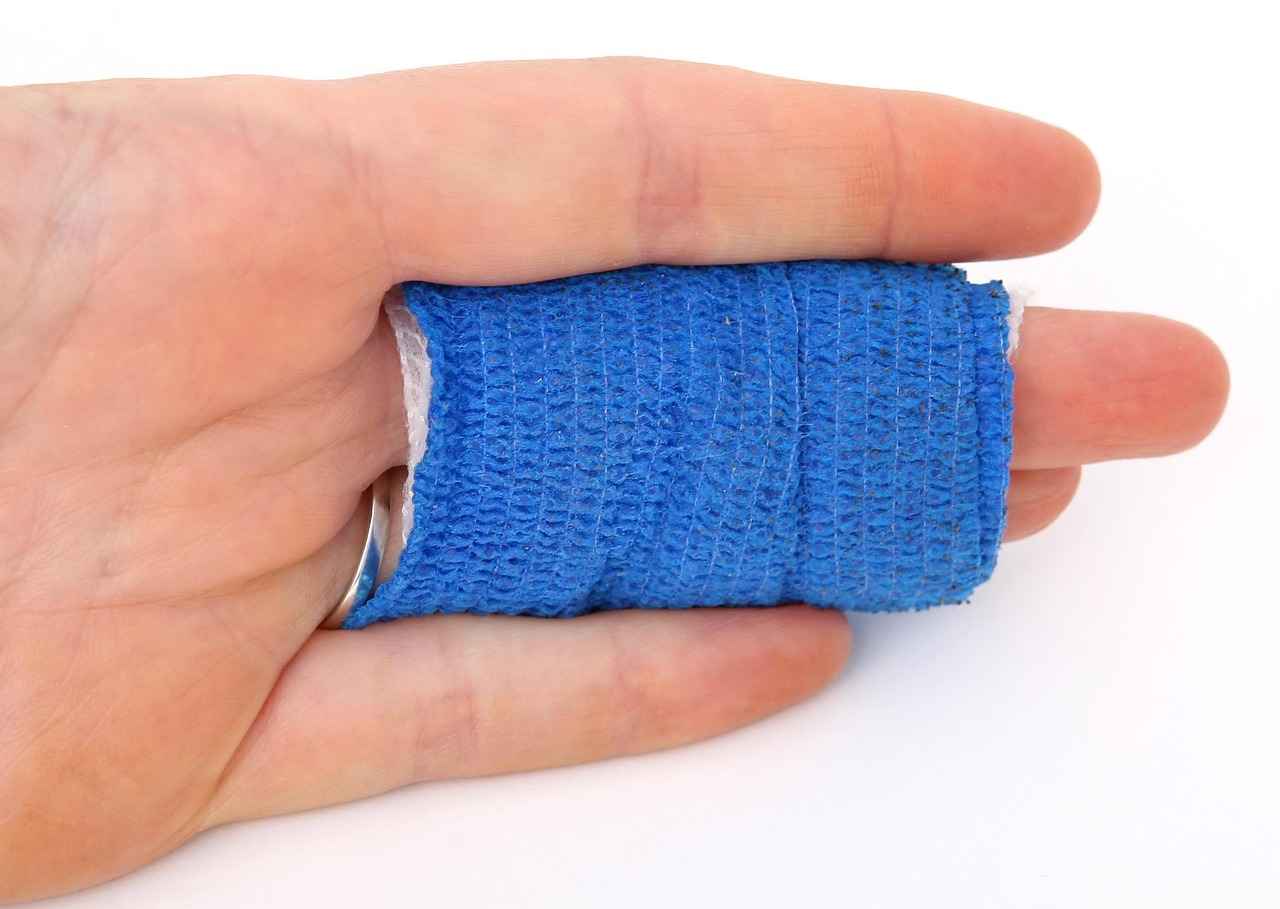
Whether mixed discovering is accepted
Some organisations only accept completely face to face training, while others welcome on the internet concept plus short practical workshops. If you select an express first aid course with hefty online content, check that your employer will certainly accept that style prior to you pay.Insurance and liability
Certain professional indemnity plans think you hold a present, identified first aid and cpr certificate. If your fast certification comes from a supplier that reduces corners, you may practically be certified yet still face problems if something goes wrong.A standard regulation: any express cpr course or fast first aid course have to map plainly to the exact same recognized criterion as the full variation. Much shorter does not imply "much less legit", but it needs to never ever mean "different credentials".
Cost, worth, and the covert price of "cheap and quick"
Price commonly drives the initial concern. A fast first aid course looks attractive if the fee is reduced and you only lose half a day of work as opposed to a complete day. For employers, that can build up, specifically throughout huge teams.
However, there are a few concealed prices to consider.
Lost deepness and confidence
If your team rushes via an express first aid course and brings out weak abilities, you may pay for it later in preventable cases, near misses out on, or poor feedbacks. I have debriefed groups after real emergencies where a person iced up, despite practically holding a first aid certificate. Typically they completed a fast course, then never mentioned first aid once again up until the emergency.Retraining sooner
People often tend to fail to remember skills they never ever practice. A a little longer typical course can embed expertise extra strongly, which might mean you can stretch the time before they feel they require casual refreshers, toolbox talks, or additional practice sessions.Impact on culture
When an organisation just ever before books the fastest, most affordable training, staff obtain a clear message: conformity matters, but capability is optional. When you invest an added couple of hours in typical first aid courses and excellent cpr training, you indicate that you actually care about exactly how people perform when somebody is hurt.This is not a disagreement that the most expensive, lengthiest course is constantly the most effective. I have seen portable, fast first aid courses supplied with high power, clear explanations, and exceptional practice time. The point is to assume in terms of worth, not just price and duration.
A basic decision guide
When individuals collar me throughout a break and ask whether they need to book an express first aid course or the basic style following time, I stroll them through a couple of questions.
Here is a short checklist you can use similarly:
Are you brand-new to first aid or extremely corroded? If indeed, lean highly toward a common first aid and cpr course with lots of sensible time. Does your work carry genuine physical or wellness threats? If yes, prioritise depth and circumstance technique over speed. Are you comfortable doing meaningful theory online before class? If no, select a style where most discovering occurs face to face. Are you a marked initial aider or in charge of children or prone individuals? If indeed, like typical or extended child care first aid courses instead of the fastest express option. Does your regulator or employer define a minimum course size or layout? If of course, select the shortest alternative that still meets or goes beyond that need, yet not less.If you address "yes" to numerous of these, the basic option is typically much safer. If your responses are primarily "no", and you already hold a present certificate, then an express cpr course or fast first aid course is most likely to fit you well.
Getting the most out of whichever course you choose
Once you have determined in between standard and express first aid courses, the actual worth originates from just how you come close to the training itself.
Consider these practical routines:
Do the pre-work appropriately, not as a box tick. If your supplier sends online modules prior to an express first aid or fast cpr course, alloted peaceful time and keep in mind. You will certainly relocate via the sensible session more confidently. Ask "what happens if" inquiries concentrated on your real atmosphere. If you work on a ranch, inquire about machinery injuries. If you work in childcare, inquire about seizures in toddlers. Instructors normally welcome concrete scenarios. Lean right into the hands-on parts. Make use of the manikins, practice bandaging, and volunteer for circumstances, also if you really feel unpleasant. Skills stick when your body has done them, not just your eyes have actually enjoyed them. After the course, go through your workplace or home and think of where emergencies may happen. Examine where the nearby first aid kit and AED are, and what barriers you would face. Refresh briefly between formal recertifications. Enjoy a trustworthy CPR video clip every few months, talk with a current occurrence with coworkers, or psychologically rehearse what you would certainly do if somebody fell down at your desk.Whether your certificate originates from a full-day standard course or a portable express first aid class issues much less than what you keep in mind and can perform under anxiety six or twelve months later.
Effective first aid is rarely extravagant. It is a collection of small, clear actions taken rapidly and calmly: turn the head back, start compressions, continue the wound, assure the person that assist is coming. Choosing the right training layout is your very first step toward having the ability to do those things when it counts.
Standard and express first aid courses each have a place. Match the style to your experience, your duties, and your understanding design, after that commit to engaging totally. The skills you construct in a couple of focused hours can alter the outcome of the most awful day in someone's life.